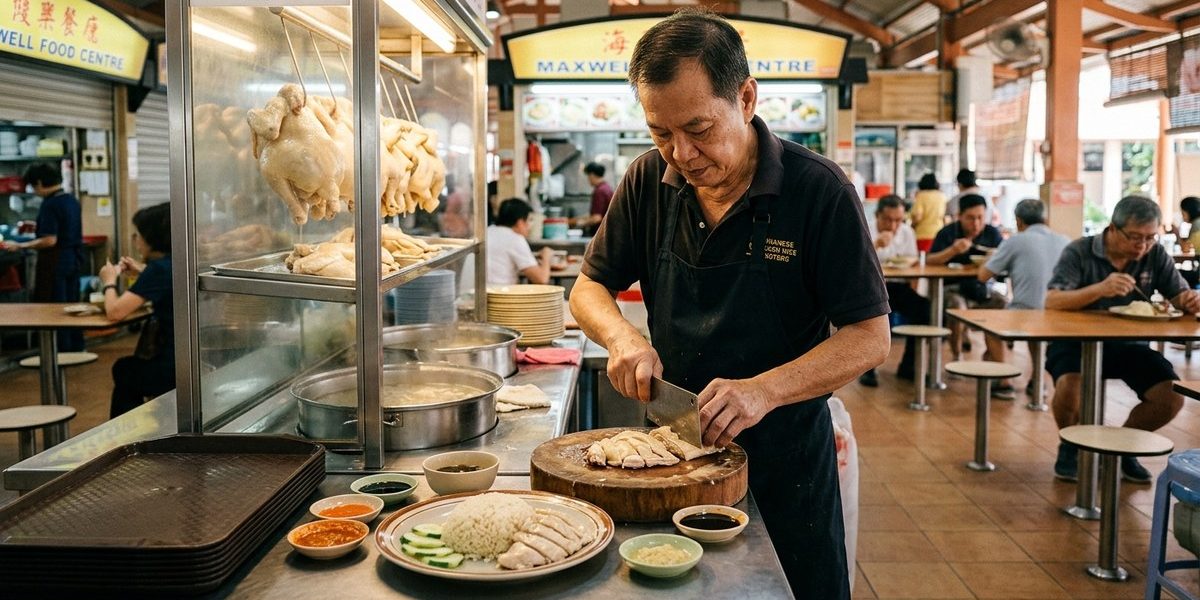
Singapore Hainanese Chicken Rice is more than just a plate of tender chicken and fragrant rice. It is a dish that embodies Singapore’s multicultural heritage and the resilience of its hawker traditions. As one of the nation’s most beloved comfort foods, Hainanese Chicken Rice carries stories of migration, adaptation, and culinary artistry that span generations. Its roots trace back to Hainan province in China, yet it has grown into a uniquely Singaporean masterpiece.
The journey of Hainanese Chicken Rice in Singapore is a testament to the ingenuity of early migrant communities. When Hainanese immigrants arrived in the 19th and early 20th centuries, they brought their culinary skills and a desire to preserve their homeland’s flavors. Over time, their recipes evolved within the local environment, influenced by available ingredients and Singapore’s diverse palate. Today, the dish is a symbol of national identity, celebrated at hawker centres, fine dining establishments, and family kitchens alike.
The roots of Singapore’s chicken rice tradition
The origins of Singapore’s Hainanese Chicken Rice can be traced to Hainan province in southern China. The dish was initially a humble home-cooked meal, centered on poached chicken served with rice cooked in chicken broth. The Hainanese migrant workers and chefs who settled in Singapore adapted their recipes to suit local tastes. They used simpler yet flavorful techniques, emphasizing the natural taste of chicken and the aromatic rice infused with chicken fat and broth.
The dish’s popularity grew because it was affordable, nourishing, and easy to prepare in hawker stalls. Its appeal lies in its straightforward ingredients and the mastery of techniques that bring out depth of flavor. The traditional method involves precise control of water temperature during chicken poaching to achieve tender, juicy meat, complemented by fragrant rice that absorbs the chicken’s essence.
Key elements that define Singapore’s Hainanese Chicken Rice
What makes Singapore’s version stand out is the meticulous attention to technique and presentation. Here’s what characterizes the true heritage of the dish:
- Poached chicken that remains moist and tender
- Aromatic rice cooked in chicken stock and chicken fat
- Ginger, garlic, and scallions for seasoning and garnishing
- Sambal chili and dark soy sauce as essential condiments
- Heritage recipes passed down through generations
Many stalls continue to use traditional recipes, some of which have been handed down for over 50 years. These recipes often involve secret ingredients and techniques that contribute to their distinct flavours.
Preserving the hawker legacy
Singapore’s hawker culture is a living history, and Hainanese Chicken Rice is at its heart. The best stalls uphold traditional methods, sometimes using charcoal stoves or specific chicken breeds to enhance taste. The dedication of hawkers ensures that this culinary heritage remains vibrant amid modernization.
To understand the craft better, consider visiting well-known stalls such as Tian Tian in Maxwell Food Centre or Wee Nam Kee in Novena. These places have built reputations over decades by staying true to heritage recipes. Their success stories highlight how preserving tradition can also translate into enduring popularity and economic sustainability.
“The secret to authentic chicken rice lies not only in the technique but also in the respect for tradition,” says Chef Lim, a veteran hawker with over 40 years of experience. “Every stall has its own story and method, but what matters most is the love for the craft.”
How to appreciate and enjoy Singapore’s chicken rice heritage
For food lovers eager to experience this heritage firsthand, here are practical steps to enjoy and understand the dish better:
- Visit hawker centres early to beat the crowds and see the preparation in action.
- Observe the cooking process—note the poaching technique and rice preparation.
- Try different stalls to appreciate subtle variations and secret recipes.
- Pair your meal with traditional condiments like chili sauce and dark soy to enhance the flavors.
- Engage with hawkers if possible, to learn about their heritage and cooking secrets.
If you wish to replicate the experience at home, here is a simple process to prepare authentic Hainanese Chicken Rice:
- Choose a good quality chicken—preferably free-range or kampong chicken for richer flavor.
- Poach the chicken in simmering water with ginger, garlic, and spring onions for about 45 minutes until tender.
- Cook the rice in chicken stock with garlic, ginger, and chicken fat.
- Slice the chicken and serve with fragrant rice, garnished with cucumber slices and scallions.
- Serve with condiments such as chili sauce, dark soy, and a bowl of chicken broth.
Techniques and common mistakes in making chicken rice
| Technique | Mistake |
|---|---|
| Poaching chicken at a gentle simmer | Overcooking leading to dry, tough chicken |
| Using chicken fat for rice | Relying solely on oil results in less aroma |
| Infusing rice with chicken stock | Cooking plain rice without flavor |
| Serving chicken hot | Letting it cool diminishes texture |
| Proper slicing of chicken | Cutting against the grain for tenderness |
The importance of heritage in hawker cuisine
Hainanese Chicken Rice is a living example of Singapore’s multicultural fabric. It reflects the resilience and adaptability of migrant communities who created a dish that resonates with locals and visitors alike. Maintaining these culinary traditions requires continuous effort and respect for the craft.
As more young hawkers learn the art, and older generations pass down their recipes, the heritage of Singapore’s Hainanese Chicken Rice remains vital. It is not just about taste but about preserving a piece of history that connects us to our roots.
A final word on keeping the heritage alive
Singapore’s Hainanese Chicken Rice is a cultural treasure. Savoring it in a hawker stall is like stepping into a storybook of migration, tradition, and community. Whether you are a seasoned foodie or a curious tourist, taking the time to appreciate the history behind each plate enriches the experience.
Next time you visit a hawker centre, seek out the stalls that uphold the traditional techniques. Order a plate and enjoy not just a meal but a heritage that has been lovingly kept alive through generations. Sharing these stories helps ensure that the legacy of Singapore’s culinary past continues to thrive for many years to come.