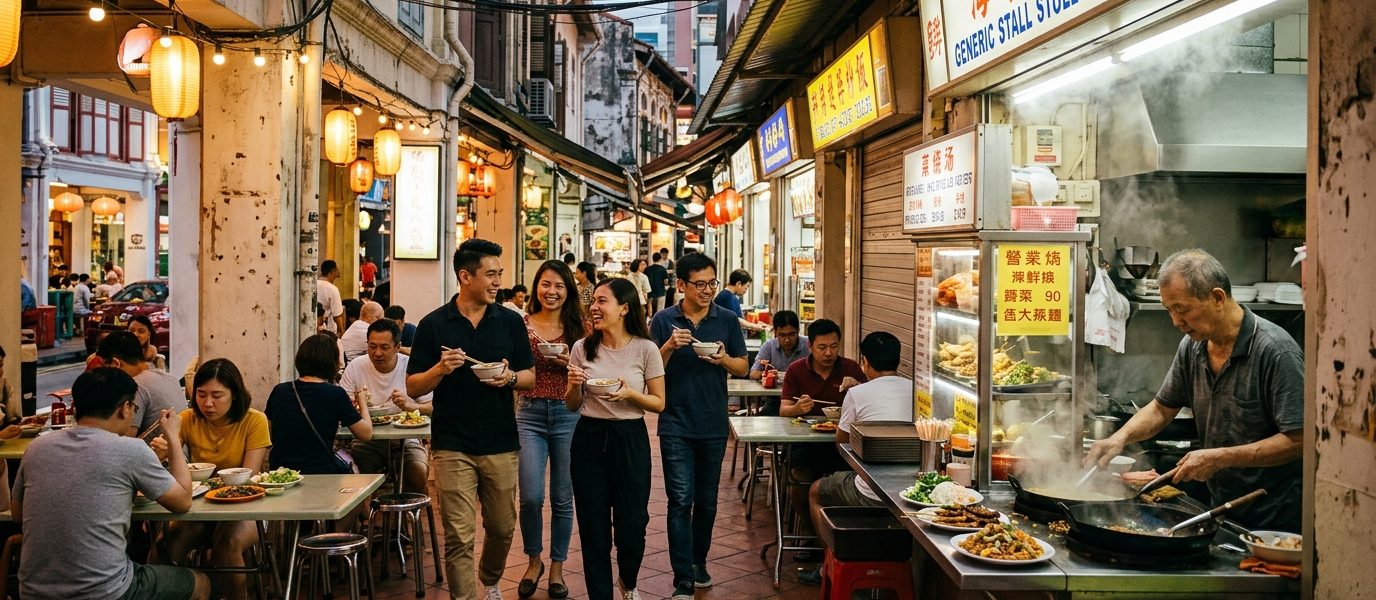
Walking into Manhattan’s Chinatown at 8am on a Tuesday morning tells you everything you need to know about where locals actually eat. The restaurants packed with older Chinese residents slurping congee aren’t the ones with English menus plastered on windows. They’re tucked down side streets, up narrow staircases, or hidden behind steamed-up glass doors with handwritten signs in Chinese characters only.
This Chinatown NYC local food guide reveals where neighbourhood residents actually eat, from basement dumpling counters to second-floor noodle shops. Learn timing strategies, ordering etiquette, and navigation tips that separate authentic experiences from tourist-oriented establishments. Follow specific street routes, decode menu boards, and recognise quality markers that locals use daily to find consistently excellent Chinese food.
How to recognise a local spot versus a tourist trap
The difference hits you before you even sit down.
Local establishments have Cantonese or Mandarin conversations bouncing between tables. Staff might greet regulars by name. Menus often exist in Chinese only, with English translations added as an afterthought or not at all.
Tourist traps position themselves on main thoroughfares like Canal Street or Mott Street corners. They display massive photo menus outside. Prices run higher. Service feels transactional.
But the real tell? Watch who’s eating there between 11am and 2pm on weekdays. If you see mostly Chinese families and elderly residents, you’ve found something genuine.
Here’s what to look for:
- Handwritten specials taped to walls in Chinese characters
- Plastic stools and folding tables instead of cushioned seating
- Staff who speak limited English but excellent Cantonese
- Regulars who walk in without looking at menus
- Cash-only policies or reluctant card acceptance
- Operating hours that match local meal patterns, not tourist schedules
The hidden neighbourhood gems approach works just as well in NYC as it does in Singapore’s hawker centres.
The basement dumpling route locals actually use
Start at Vanessa’s Dumpling House on Eldridge Street. Not the tourist-facing location, but the original spot where locals queue at odd hours.
Arrive before 11:30am or after 2pm to avoid the lunch crush.
Order at the counter. Point if needed. The sesame pancakes come out hot every 15 minutes. Grab them fresh.
From there, walk north to Prosperity Dumpling on Eldridge near Canal. This place serves four dumplings for a dollar. The space fits maybe eight people standing. You’ll eat on the street corner like everyone else.
The fried pork and chive dumplings get made in batches. Watch through the window. When you see a fresh batch hit the fryer, that’s your moment.
Next, head to Tasty Dumpling on Mulberry Street. The pork and cabbage boiled dumplings here have thinner skins than most spots. Five dumplings cost three dollars. The space feels cramped. You’ll share a table. That’s normal.
End at Fried Dumpling on Mosco Street. This tiny storefront produces some of the crispiest pan-fried dumplings in the neighbourhood. Order a dozen. Eat them while walking through Columbus Park.
“The best dumpling spots don’t need English signs. They need lines of Chinese grandmothers who’ve been coming here for 20 years.” — Helen Wu, food blogger and Chinatown resident
Morning noodle shops that close by 2pm
Certain noodle specialists operate on strict schedules that tourists often miss entirely.
Lan Zhou Handmade Noodle on East Broadway opens at 10am. By 1:30pm, they’ve sold out of hand-pulled noodles. The beef noodle soup here uses a clear broth that’s been simmering since 5am.
Sit at the counter if you can. Watch the noodle master stretch and pull the dough. It’s performance and breakfast combined.
Sheng Wang on Hester Street serves Hong Kong-style cart noodles. You pick your noodle type, broth, and toppings from a checklist. Nobody speaks English here. Use the picture menu or point at what others are eating.
The curry fish balls and pig skin are underrated choices. Most tourists stick to safe options. Locals load up on offal and processed fish products.
Great NY Noodletown on Bowery stays open late, but the morning crowd from 9am to 11am skews heavily local. The roast duck and BBQ pork over noodles comes from the hanging meats you see in the window.
Order the wonton noodle soup with roast duck on top. It’s not on the English menu prominently, but everyone around you will be eating it.
How to navigate the second-floor restaurants
Some of Chinatown’s best food hides on second and third floors.
These spots cater almost exclusively to Chinese families and groups. They serve dim sum, Cantonese seafood, and regional specialties you won’t find at street level.
Nom Wah Tea Parlor gets tourist attention now, but the original location still maintains quality. Go for weekday dim sum before 11am. The shrimp rice rolls and baked BBQ pork buns justify the visit.
Jing Fong on Elizabeth Street operates from a massive second-floor space. Weekend dim sum here involves pushing carts and competitive table claiming. Arrive by 10:30am or face a two-hour wait.
The spare ribs in black bean sauce and steamed chicken feet are cart staples. Don’t skip the turnip cake. It’s better than most places manage.
Golden Unicorn on East Broadway runs three floors. The second floor handles dim sum. The third floor does banquet-style dinners. Go with a group of four or more to properly order.
The salt and pepper squid, ginger scallion lobster, and clay pot rice dishes work well for sharing. Staff will guide portion sizes if you ask.
Street vendor timing and location strategy
The best street food in Chinatown operates on schedules that match local work patterns, not tourist foot traffic.
The fruit vendors on Canal Street between Baxter and Mulberry set up by 8am. They sell whole durian, dragonfruit, and longan by the pound. Prices beat any grocery store in Manhattan.
The roasted chestnut cart on the corner of Mott and Canal appears around 4pm when temperatures drop. In summer, the same vendor switches to selling cold sugar cane juice.
Fish ball cart vendors cluster near Sara D. Roosevelt Park in the late afternoon. These aren’t gourmet snacks. They’re exactly what local workers grab between shifts.
The best timing follows this pattern:
- Morning fruit and pastry vendors operate from 7am to 10am near subway exits
- Lunch carts serving jianbing and baozi appear from 11am to 2pm on side streets
- Afternoon snack vendors position near schools and parks from 3pm to 6pm
- Evening dessert and drink carts emerge after 7pm on weekends
Cash is essential. Most vendors don’t carry change for bills larger than twenty dollars.
The bakery circuit that locals hit before work
Chinese bakeries in Chinatown open early and sell out fast.
Fay Da Bakery on Mott Street opens at 7am. The pineapple buns, egg tarts, and cocktail buns come out of the ovens in waves. Hit it between 7:30am and 8:30am for the freshest selection.
The wife cake here has the right ratio of flaky pastry to winter melon filling. Grab two. One won’t be enough.
Tai Pan Bakery on Canal Street specialises in birthday cakes and wedding pastries, but their daily selection of buns and rolls feeds the morning commuter crowd. The red bean buns and custard buns sell out by 9am.
Lung Moon Bakery on Mott Street looks unchanged since 1985. That’s the point. The egg custard tarts here use a recipe that predates most trendy bakeries by decades.
Order at least six. They cost less than a dollar each and won’t survive the subway ride home anyway.
Similar to how locals navigate Singapore’s breakfast spots, timing matters more than most visitors realise.
What to order when you can’t read the menu
Not speaking or reading Chinese shouldn’t stop you from eating well in Chinatown.
Here’s a practical ordering system that works:
Strategy one: Point at what the table next to you is eating. Hold up fingers for quantity. This works 90% of the time.
Strategy two: Learn three dishes by their Chinese names. Memorise how to say them phonetically. Cha siu bao (BBQ pork bun), har gow (shrimp dumpling), and lo mein cover breakfast, dim sum, and dinner.
Strategy three: Use your phone to show pictures of dishes. Most restaurants recognise this approach now.
Strategy four: Order from the “chef’s special” section even if it’s only in Chinese. These dishes represent what the kitchen does best and what locals order most.
Here’s a comparison of tourist versus local ordering patterns:
| Tourist Order | Local Order | Why It Matters |
|---|---|---|
| General Tso’s chicken | Salt and pepper pork chop | General Tso’s isn’t a Chinese-Chinese dish |
| Egg drop soup | Hot and sour soup with pig blood | Locals want texture and intensity |
| Fried rice as main dish | Rice as side with multiple dishes | Rice supports other flavours, doesn’t lead |
| Sweet and sour anything | Steamed fish with ginger and scallion | Fresh ingredients need less sauce |
| Fortune cookies | Fresh fruit or red bean soup | Fortune cookies are an American invention |
The approach to spotting quality applies across cultures and cuisines.
The side street tea shops nobody writes about
Chinatown’s tea culture exists parallel to its food scene.
Ten Ren Tea on Mott Street sells loose-leaf tea and serves fresh bubble tea. But the real action happens upstairs where locals buy tea by the pound for home brewing.
The staff will brew samples if you ask. Try the oolong varieties. They stock grades you won’t find at typical bubble tea chains.
Té Company on Doyers Street focuses on Hong Kong-style milk tea and coffee. This isn’t trendy third-wave coffee. It’s strong, sweet, and served in glasses with condensed milk.
Order the yuenyeung, a mix of coffee and milk tea. It sounds strange. It works perfectly.
Aji Ichiban on Elizabeth Street isn’t a tea shop, but it’s where locals buy dried plums, preserved ginger, and other snacks to eat with tea. The selection overwhelms first-timers. Start with the preserved plum candies and dried mango.
Late-night eating patterns after 10pm
Chinatown’s late-night food scene serves restaurant workers finishing their shifts.
Wo Hop on Mott Street operates 24 hours in the basement. The wonton soup, roast pork lo mein, and salt-baked chicken feed the post-shift crowd until sunrise.
Prices stay reasonable. Service is efficient. Don’t expect ambiance.
New Malaysia Restaurant on Bowery stays open until 3am on weekends. The Malaysian and Cantonese menu includes roti canai, beef rendang, and curry laksa that you won’t find elsewhere in the neighbourhood.
The salted fish fried rice here has a pungent funk that divides diners. Locals love it. Tourists often don’t.
Congee Village on Allen Street serves congee and noodles until 2am daily. The preserved egg and pork congee, fish fillet congee, and fried breadsticks make sense at midnight in ways they don’t at noon.
This mirrors the odd-hours approach that makes certain hawker stalls special.
The grocery store prepared food sections
Chinese grocery stores in Chinatown prepare food that rivals restaurant quality.
Hong Kong Supermarket on Hester Street has a full roast meat counter. The soy sauce chicken, roasted duck, and BBQ pork get sold by the pound. Order a mixed plate over rice for under ten dollars.
The woman working the counter will chop everything and pack it with rice and vegetables. It’s faster than most restaurants and often better.
New Kam Man on Canal Street operates a prepared food section near the back. The braised pig feet, tea eggs, and marinated tofu come from recipes that haven’t changed in years.
Buy a container of each. Eat them at home with rice. This is what local families do when they don’t feel like cooking.
Deluxe Food Market on Elizabeth Street specialises in fresh noodles, dumpling wrappers, and prepared dim sum you can steam at home. The frozen soup dumplings here beat most restaurant versions.
Common mistakes that mark you as an outsider
Certain behaviours immediately identify tourists in Chinatown restaurants.
Mistake one: Taking photos of every dish before eating. Locals don’t do this. Your food gets cold. Other diners notice.
Mistake two: Asking for forks at noodle shops. Chopsticks are provided. Use them or struggle quietly.
Mistake three: Expecting table service at counter-service spots. Watch what others do. Order at the counter. Bring your own food to the table. Bus your own dishes.
Mistake four: Tipping at cash-only dumpling counters. Tipping culture varies. Small dumpling shops don’t expect tips. Sit-down restaurants do.
Mistake five: Ordering one dish per person at family-style restaurants. Chinese dining is communal. Order multiple dishes to share. Rice comes separately.
Mistake six: Showing up at dim sum spots after 1pm on weekends. The good stuff is gone. Carts stop circulating. You’ll eat leftovers.
Mistake seven: Refusing to share tables when it’s busy. Space is limited. You’ll be asked to share. That’s normal.
Building your own Chinatown food route
The best approach combines multiple stops in a single visit.
Start with morning bakery runs between 7am and 9am. Hit two or three bakeries. Compare egg tarts. Decide which pineapple bun reigns supreme.
Move to noodle shops for late breakfast or early lunch between 10am and 11:30am. Order hand-pulled noodles or wonton soup. Skip restaurants with photo menus in the windows.
Spend midday walking through the side streets east of Bowery. This area has fewer tourists and more local establishments. Pop into grocery stores. Sample prepared foods.
Return for afternoon tea and snacks between 2pm and 4pm. Try bubble tea at a local spot, not a chain. Buy preserved fruits at Aji Ichiban.
Come back for dinner after 6pm. Target second-floor restaurants. Bring friends. Order family-style. Don’t be afraid of dishes you don’t recognise.
End with late-night congee or noodles after 10pm if you’re still hungry. The post-shift restaurant crowd knows what’s good.
The same principles that make navigating hawker centres easier apply here with slight cultural adjustments.
Reading the unwritten rules of Chinatown dining
Every neighbourhood food culture has implicit rules that locals follow automatically.
In Chinatown, these include:
- Don’t linger at tables during peak hours. Eat and leave. Others are waiting.
- Cash is preferred. Many places take cards reluctantly or not at all.
- Bring exact change to street vendors and small counters.
- Mandarin and Cantonese get better service than English. Learn basic food terms.
- Weekend mornings are for dim sum. Weekday mornings are for noodles and congee.
- The hanging roast meats in windows indicate quality. Fresh batches appear throughout the day.
- If a place has a line, join it. Lines mean something good is happening.
Staff at local establishments won’t explain these rules. They expect you to observe and adapt.
Watch what regular customers do. Mirror their behaviour. You’ll blend in faster than you expect.
Where this leaves your next Chinatown visit
Your next trip to Chinatown doesn’t need to follow a rigid tourist route or Instagram-famous restaurant list.
Start on the side streets. Look for spaces filled with Cantonese conversations. Order what you see others eating. Pay cash. Don’t expect English menus or patient explanations.
The food you’ll find this way tastes different because it’s cooked for people who eat it daily, not visitors who’ll never return.
That’s the entire point of a Chinatown NYC local food guide. Not to give you a checklist, but to teach you how to recognise authenticity when you see it. The rest is just walking, watching, and being willing to eat somewhere that doesn’t feel designed for you.
Because it isn’t. And that’s exactly why it’s worth finding.