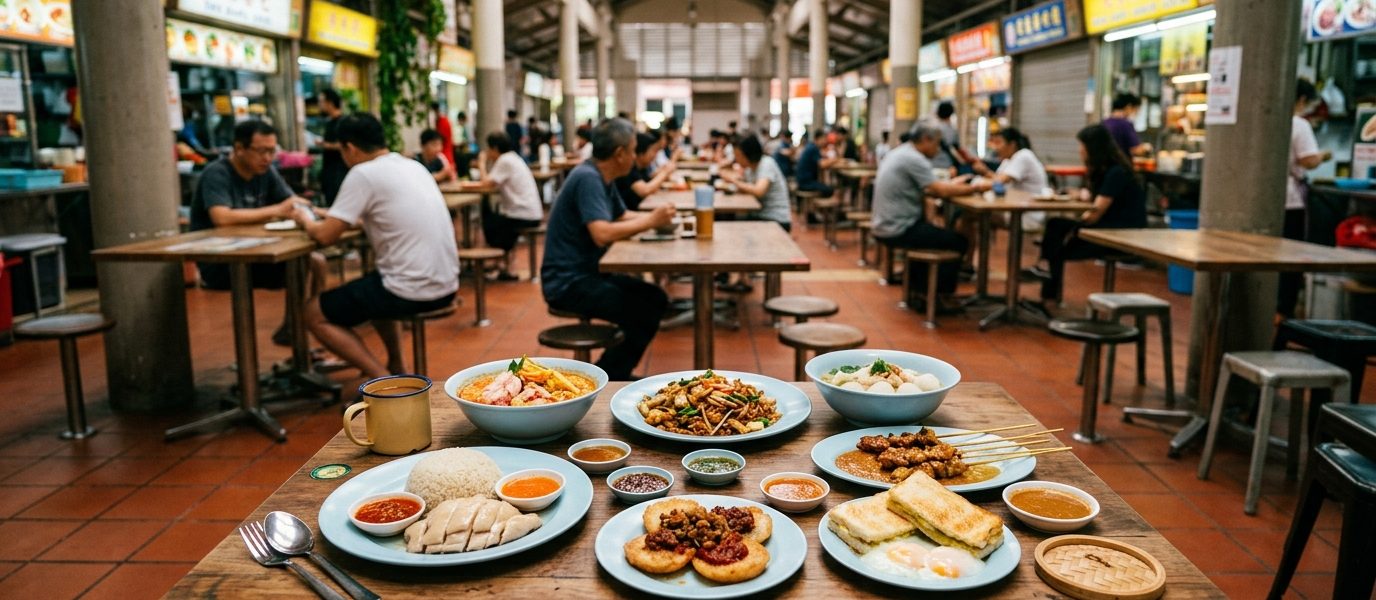
Tiong Bahru has earned its reputation as one of Singapore’s most beloved food neighbourhoods for good reason. The area blends pre-war architecture with some of the island’s most respected hawker stalls, many run by second and third-generation vendors who’ve perfected their recipes over decades. Whether you’re planning a morning food crawl or an afternoon of eating your way through the market, this tiong bahru food guide will help you make the most of every meal.
Tiong Bahru offers an authentic hawker experience where heritage stalls serve breakfast classics alongside modern cafes. The market opens early, with popular stalls selling out by mid-morning. Come hungry, bring cash, and arrive before 9am for the best selection. Most vendors speak English, and dishes range from $3 to $8, making it perfect for budget-conscious food lovers.
Why Tiong Bahru Remains a Food Destination
The neighbourhood’s food scene centres around the ultimate guide to Tiong Bahru market, a two-storey complex that’s been feeding residents since 1951. Unlike tourist-heavy spots, this place maintains its local character. You’ll see aunties doing their morning shopping while office workers grab breakfast before heading into town.
The ground floor houses wet market stalls selling fresh produce, meat, and seafood. Head upstairs and you’ll find the hawker centre, home to roughly 80 food stalls. The layout can feel confusing at first, but that’s part of its charm. No fancy signage or Instagram-worthy murals here, just honest food served by people who’ve been doing this for years.
What sets Tiong Bahru apart from other hawker centres is its mix of old and new. You’ll find veteran hawkers in their 70s working alongside younger stall owners who’ve taken over family businesses or started their own ventures. This generational blend keeps the food scene dynamic without losing its traditional roots.
Planning Your Tiong Bahru Food Crawl
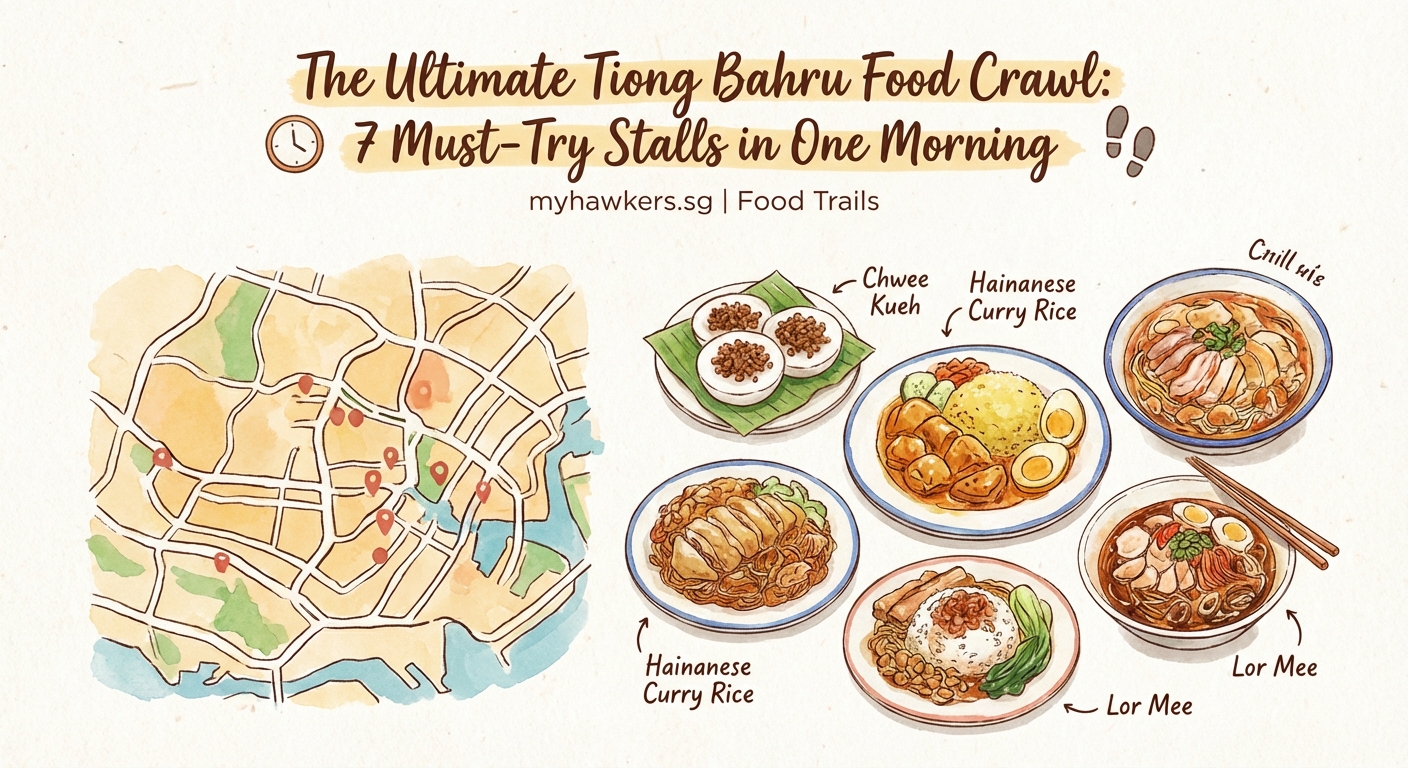
Timing matters more than you might think. Here’s how to structure your visit for maximum eating efficiency.
Best Times to Visit
- Arrive between 7am and 8:30am for breakfast specialities
- Expect crowds from 9am to 11am on weekends
- Some stalls close by noon or when they sell out
- Weekday mornings are less busy but offer the same quality
- Avoid public holidays unless you enjoy queuing
The early morning slot gives you first pick of everything. Stalls prepare fresh batches, and you won’t spend half your time waiting in line. By 10am on Saturday, popular vendors like the char kway teow stall can have 20-minute waits.
What to Bring
Cash remains king here. Most stalls don’t accept cards or PayPal. Bring small notes because some vendors struggle with change for $50 bills. A typical breakfast costs $10 to $15 if you’re sampling multiple dishes.
Wet wipes are useful since some stalls serve messy noodles. The hawker centre provides tissue paper, but it runs out during peak hours. Comfortable shoes help too, you’ll be standing while ordering and walking between floors.
Must-Try Dishes and Where to Find Them
This isn’t a comprehensive list of every stall. Instead, these are the dishes that define the Tiong Bahru food experience, based on consistency, heritage, and local reputation.
Jian Bo Shui Kueh
The chee kueh here draws crowds for its pillowy rice cakes topped with preserved radish. The texture is what makes it special, soft but not mushy, with just enough bite. Each piece costs around $1.50.
The stall opens early and often sells out by 10am. The uncle running it has been making these for over 30 years. Watch him steam the cakes in traditional metal trays, a technique that’s becoming rare as more hawkers switch to modern equipment.
Order a few pieces to start. The preserved radish (chai poh) provides a salty contrast to the mild rice cake. Some people add chilli sauce, but try it plain first to appreciate the subtle flavours.
Tiong Bahru Fried Kway Teow
This stall’s char kway teow represents everything the dish should be. Dark, glossy noodles with wok hei (breath of the wok), sweet Chinese sausage, fresh cockles, and bean sprouts. The plate arrives smoking hot, with crispy bits of egg mixed throughout.
The queue forms early and moves slowly because each plate is fried individually. Expect to wait 15 to 20 minutes during busy periods. The hawker uses high heat and works fast, but he won’t rush the process.
A regular plate costs $5. Add extra cockles for $1 more if you want. The noodles have that slightly charred flavour that only comes from proper wok technique, something you can’t replicate at home without commercial-grade equipment.
Lor Mee 178
This lor mee stall has built a following for its thick, starchy gravy that coats flat yellow noodles. The bowl comes topped with fried fish, braised pork, and crispy bits of fried flour. A squeeze of lime and vinegar cuts through the richness.
The gravy is the star here. It’s thick enough to cling to the noodles but not gluey. The stall prepares it fresh each morning using a recipe that hasn’t changed in decades. At $4 per bowl, it’s one of the better-value meals in the centre.
Some find the texture too heavy for their taste. If you’re new to lor mee, start with a small bowl. The dish is filling, and the starchy gravy sits heavy in your stomach.
Hong Heng Fried Sotong Prawn Mee
The prawn mee here uses a rich stock made from prawn heads and pork bones. The soup has depth without being overly sweet, a common problem with lesser versions. Toppings include prawns, sliced pork, and fried shallots.
You can order it dry (with the soup on the side) or as a soup dish. The dry version lets you taste the noodles and chilli separately, while the soup version gives you the full broth experience. Both work well.
A bowl costs around $5. The portion is generous enough for breakfast but not so large that you’ll feel uncomfortable walking around after. The fried sotong (squid) adds a nice textural contrast to the soft noodles.
Navigating Common Mistakes
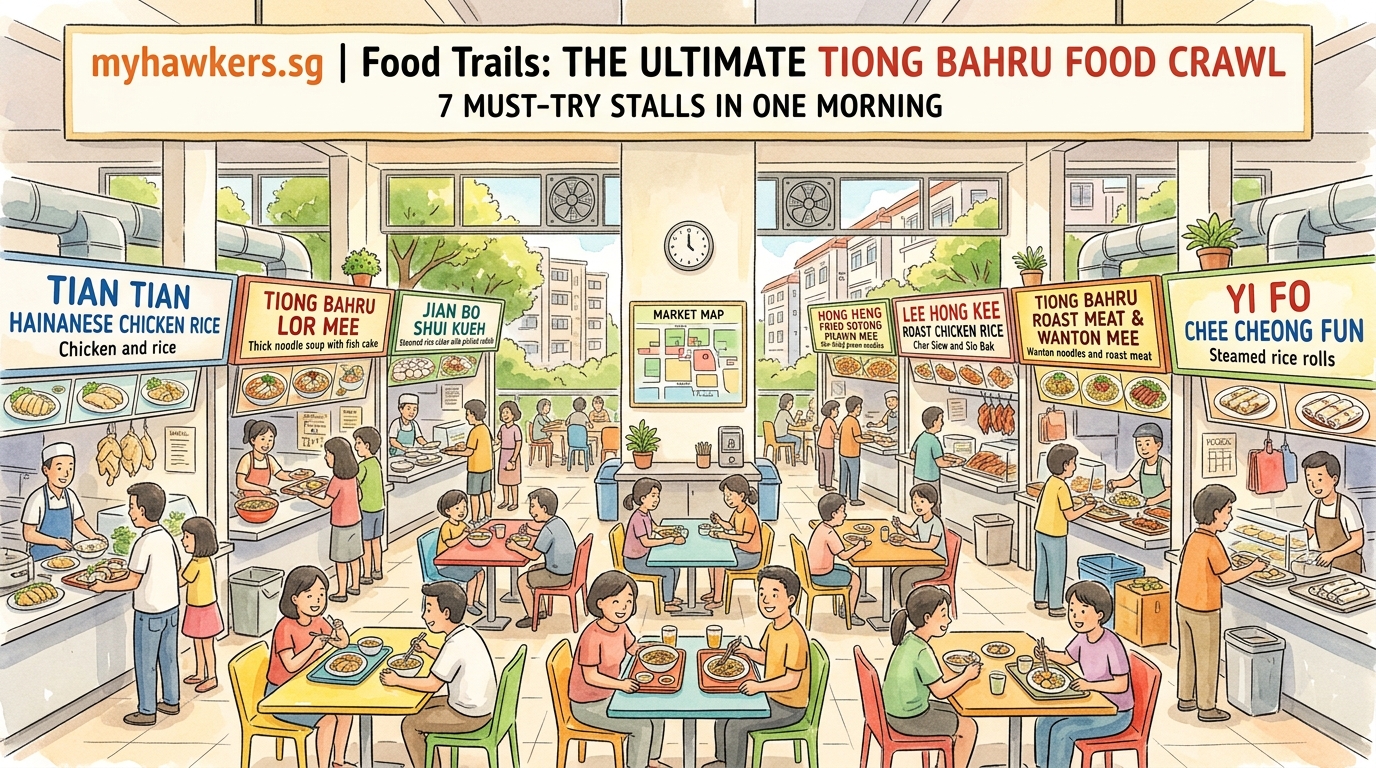
First-timers often make the same errors. Here’s how to avoid them.
| Mistake | Why It Happens | Better Approach |
|---|---|---|
| Ordering too much at once | Everything looks good | Sample 2-3 dishes, then return if still hungry |
| Arriving after 10am on weekends | Didn’t realize how early stalls sell out | Set alarm for 7:30am, treat it like a proper outing |
| Bringing only large bills | Assumed hawkers have change | Withdraw $50 in $10 notes from ATM first |
| Skipping less famous stalls | Following tourist guides blindly | Walk the entire floor, observe queue lengths |
| Not checking closing days | Assumed all stalls open daily | Many close one or two days weekly, check before visiting |
The “ordering too much” mistake is particularly common. Dishes here are meant to be shared, but portion sizes can still surprise you. A plate of char kway teow feeds one person comfortably. Add a bowl of lor mee and some chee kueh, and you’re looking at enough food for two.
Beyond the Market Hawker Centre
Tiong Bahru’s food scene extends beyond the main market. The neighbourhood has several other eating spots worth knowing about.
Loo’s Hainanese Curry Rice
This coffee shop stall operates differently from typical curry rice places. Instead of choosing from pre-cooked dishes under heat lamps, everything here is made to order. The pork chop is tender, the cabbage is fresh, and the curry sauce has a home-cooked quality.
The stall sits in a coffee shop on Tiong Bahru Road, separate from the main market. It opens for lunch and dinner, making it a good option if you miss the morning rush at the hawker centre. Expect to pay $6 to $8 for a plate.
Ah Chiang’s Porridge
Located near Seng Poh Road, this porridge stall serves Teochew-style porridge with an array of side dishes. The porridge itself is watery, closer to rice soup than the thick Cantonese version. You order sides like braised duck, preserved vegetables, and steamed fish separately.
The concept confuses some visitors who expect thick, creamy porridge. Teochew porridge is meant to be light, almost like a palate cleanser between bites of the richer side dishes. It’s comfort food for many locals, especially those who grew up eating this style.
A full meal with porridge and three sides costs around $10. The stall opens late morning and runs until evening, making it one of the few places in Tiong Bahru where you can get a proper sit-down meal after 2pm.
What Makes Tiong Bahru Different
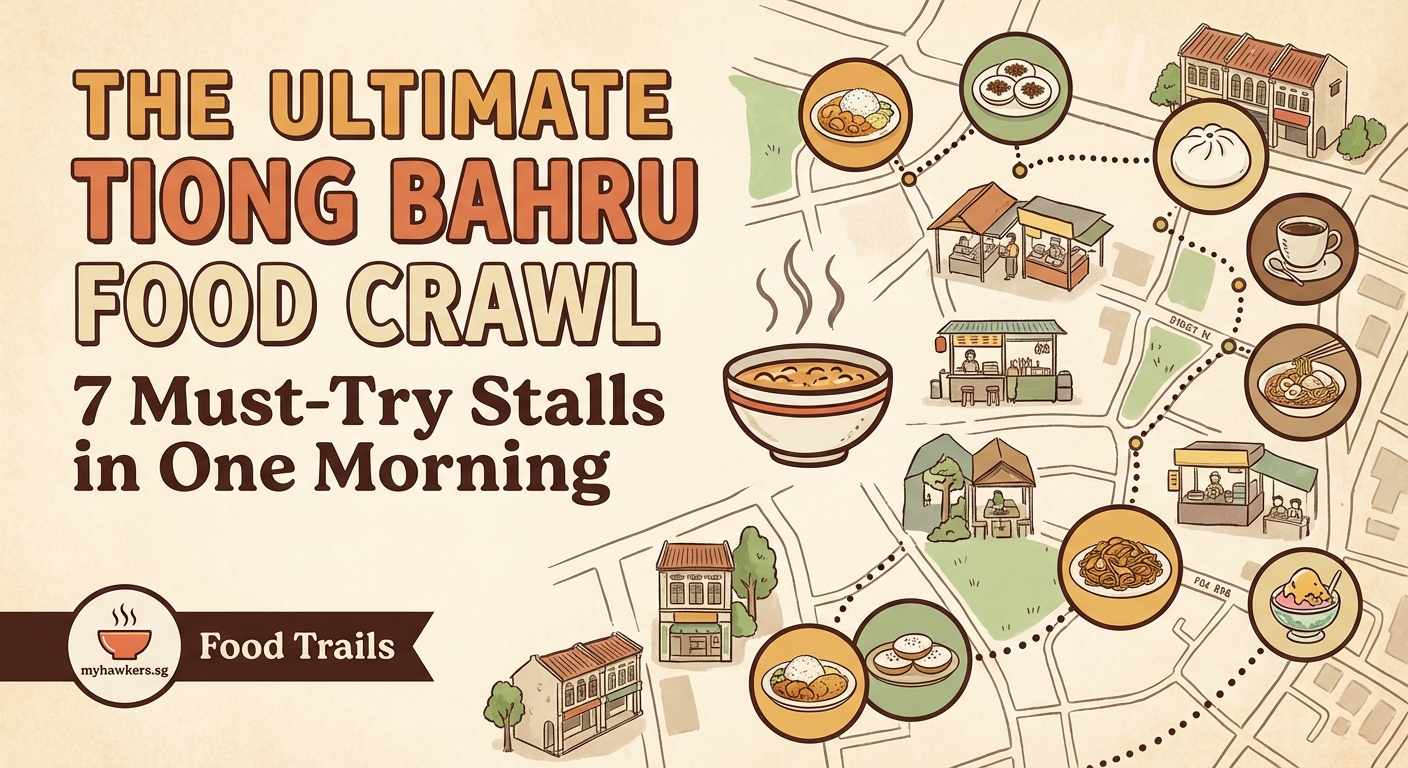
Several factors separate this neighbourhood from other hawker destinations around Singapore.
The area attracts fewer tour groups than Maxwell Food Centre, which means you’re more likely to eat alongside residents than camera-wielding visitors. The vibe stays relaxed even during busy periods.
Stall owners here tend to specialize in one or two dishes rather than offering extensive menus. This focus on mastery over variety means the food maintains consistent quality. The char kway teow uncle doesn’t also make carrot cake and oyster omelette. He just fries noodles, and he’s been doing it the same way for 40 years.
The neighbourhood’s layout encourages wandering. After eating, you can walk through the distinctive art deco housing blocks, browse the independent bookshops, or grab coffee at one of the cafes that have opened in recent years. It’s a proper neighbourhood, not just a food court.
Practical Tips for Food Enthusiasts
These details will help you eat more strategically.
-
Seating strategy: Arrive with someone who can chope (reserve) a table while you order. Solo diners should order first, then look for seats. Sharing tables is normal during peak hours.
-
Language: Most stall owners speak English and Mandarin. Pointing at what others are eating works well if you’re unsure how to order.
-
Dietary restrictions: Vegetarian options exist but are limited. Muslim visitors should note that most stalls serve pork. Look for stalls with halal certification displayed.
-
Photography: Taking food photos is fine, but be mindful of other diners. The space gets cramped during busy periods.
“The best time to visit Tiong Bahru is when you’re genuinely hungry, not just curious. The food here rewards appetite. Come ready to eat, and don’t worry about trying everything in one visit. The stalls will still be here next weekend.” – Regular visitor who’s been coming for 15 years
Comparing Tiong Bahru to Other Hawker Centres
If you’re planning a broader hawker centre tour, understanding how Tiong Bahru fits into the larger landscape helps with planning.
The centre offers better variety than hidden neighbourhood gems but maintains a more authentic atmosphere than tourist-focused locations. It’s also one of the few places where you can find dying hawker trades still being practiced by experienced craftspeople.
For those interested in morning hawker centres by region, Tiong Bahru ranks among the top three for breakfast variety and quality. The concentration of morning-specific dishes like chee kueh and kaya toast makes it ideal for early risers.
Unlike air-conditioned hawker centres, this one relies on ceiling fans and natural ventilation. It gets warm, especially during midday. The trade-off is a more traditional atmosphere that many food lovers prefer.
Stalls You Might Overlook
These vendors don’t generate Instagram buzz but serve solid food worth trying.
-
Teck Seng Soya Bean Milk: Fresh soya bean milk and tau huay (beancurd) made on-site. The warm version is comforting on rainy mornings.
-
Granny’s Pancake: Thin, crispy pancakes filled with peanut or red bean paste. A nostalgic snack that costs less than $2.
-
238 Coffee Stall: Traditional kopi made the old-school way, with coffee grounds strained through a sock filter. Pairs well with kaya toast from nearby stalls.
These places don’t have queues, but they’ve been operating for years because they do one thing well. The pancake stall, in particular, represents a dying trade. Not many younger hawkers are learning to make these anymore.
Understanding Queue Culture
Queues at popular stalls follow unwritten rules that locals understand intuitively.
Stand in a clear line, not scattered around the stall. Some vendors serve in order, while others take orders from everyone and call out when dishes are ready. Watch what others do before jumping in.
Don’t hover over people eating while waiting for their table. It’s considered rude and makes diners uncomfortable. Wait near the ordering area instead.
If someone asks if you’re in line, answer clearly. The question usually means they’re trying to figure out where the queue ends. A simple “yes, behind me” or “no, go ahead” keeps things moving smoothly.
Making Return Visits Count
One visit won’t cover everything worth eating in Tiong Bahru. Here’s how to plan subsequent trips.
Keep notes on your phone about what you tried and what you want to try next. The hawker centre has enough variety for monthly visits without repeating dishes.
Try visiting on different days of the week. Some stalls only open certain days, and weekday mornings have a different energy than weekend crowds. You’ll also notice that some vendors are in better moods when they’re not swamped with orders.
Branch out from the famous stalls. After you’ve tried the must-eats, spend your next visit sampling lesser-known vendors. The Indian rojak stall, the yong tau foo place, and the economic rice stall all have their merits.
When to Skip Tiong Bahru
Honesty matters in a good food guide. Here are situations where you might want to choose a different hawker centre.
If you need air conditioning, this isn’t the place. The upstairs hawker centre can get uncomfortably warm by 11am, especially during Singapore’s hotter months. Consider air-conditioned alternatives instead.
Large groups struggle here during peak hours. Finding a table for six people on Saturday morning is difficult. The centre works better for pairs or solo diners who can squeeze into available seats.
If you want a wide range of vegetarian or halal options, other centres offer more choices. Tiong Bahru excels at traditional Chinese hawker food, which often includes pork and seafood.
Getting There and Getting Around
The neighbourhood is accessible by MRT and bus, though the market itself sits a 10-minute walk from Tiong Bahru station.
Exit the station and follow Tiong Bahru Road toward the residential blocks. You’ll pass several coffee shops and the distinctive curved architecture of the old housing estates. The market is at 30 Seng Poh Road, marked by its utilitarian concrete exterior.
Parking exists but fills up quickly on weekends. The carpark serves both market shoppers and food crawlers, so spaces disappear by 8:30am. If you’re driving, arrive before 8am or take public transport.
Buses 5, 16, 33, and 63 stop near the market. Check your preferred navigation app for the most current routes, as bus services occasionally change.
Dishes That Divide Opinion
Not every famous stall will match your taste. These items generate mixed reactions.
The lor mee’s thick gravy polarizes diners. Some find it comforting, while others think it’s too heavy and starchy. There’s no middle ground, you either love it or avoid it after one try.
Chee kueh seems simple, and that simplicity disappoints people expecting bold flavours. The dish relies on texture and the subtle interplay between the rice cake and preserved radish. If you’re looking for intense taste, you might find it bland.
Prawn mee sweetness levels vary by stall. Hong Heng’s version is less sweet than some others, but if you generally dislike sweet soups, ask them to go light on the seasoning.
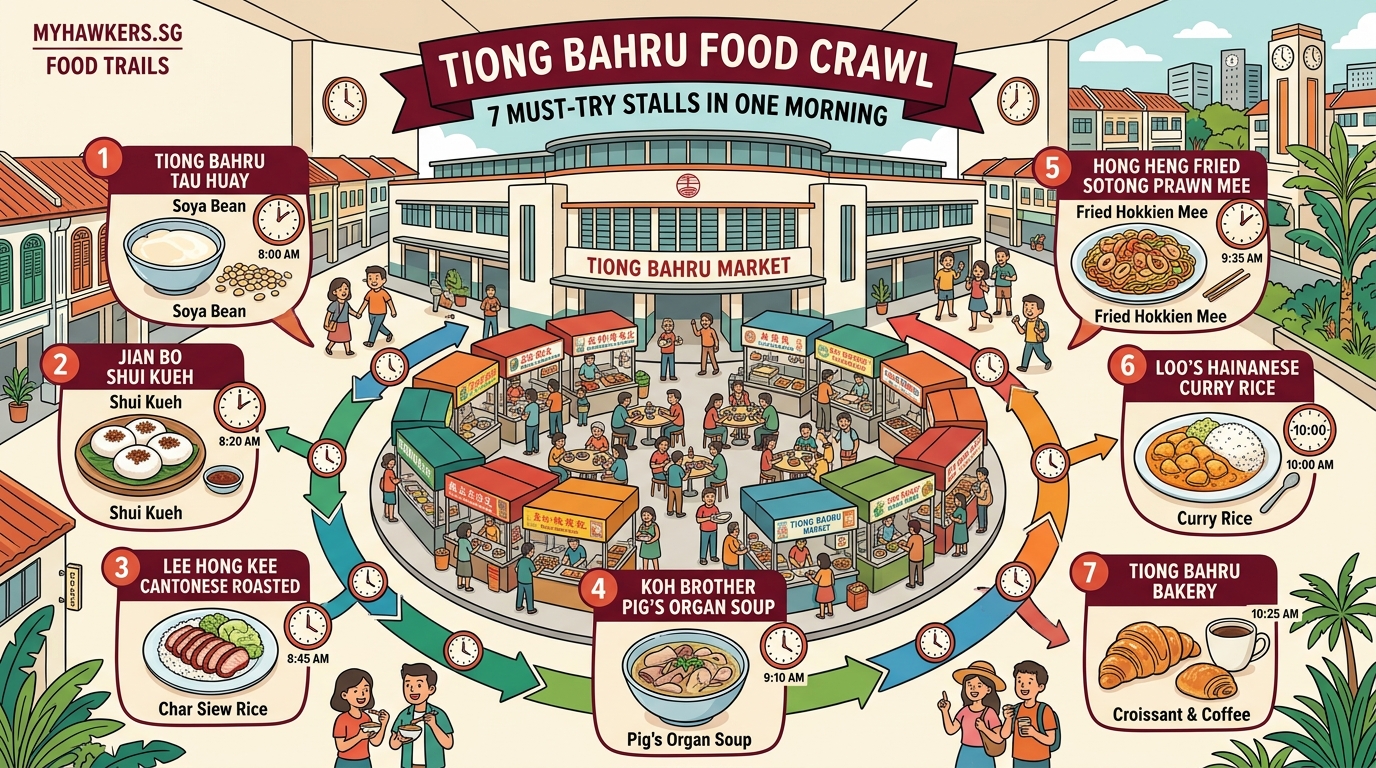
Building Your Ideal Food Crawl Route
Here’s a tested approach for a morning visit that covers the highlights without overeating.
Start with chee kueh at Jian Bo. The light rice cakes won’t fill you up but will take the edge off your hunger. Next, order char kway teow and find a seat while it’s being prepared. Eat slowly, the dish is rich.
Take a 15-minute break. Walk downstairs, browse the wet market, or step outside for fresh air. This pause helps your stomach settle before the next round.
Return for either lor mee or prawn mee, depending on your preference for thick gravy versus soup. Share one bowl between two people if you’re still planning to eat more.
Finish with soya bean milk or coffee from one of the drink stalls. The beverage helps wash down the heavier dishes and provides a natural endpoint to the meal.
This route takes about 90 minutes including waiting and eating time. You’ll leave satisfied but not uncomfortably full, and you’ll have experienced the core of what makes Tiong Bahru’s food scene special.
Why This Neighbourhood Matters for Hawker Culture
Tiong Bahru represents a bridge between Singapore’s hawker past and its uncertain future. The stalls here show what happens when traditional food vendors resist the pressure to modernize or expand.
Many hawkers here could open multiple locations or franchise their recipes. They choose not to. The char kway teow uncle could train assistants and increase output. Instead, he still fries every plate himself, maintaining quality over quantity.
This approach won’t last forever. As older hawkers retire, not all their stalls find successors. But for now, Tiong Bahru preserves a way of eating that’s becoming rarer in Singapore. Each visit supports these small businesses and keeps this food heritage alive for another generation.
The neighbourhood also demonstrates that hawker centres can thrive without air conditioning, fancy renovations, or social media marketing. Good food, fair prices, and consistent quality still draw crowds. That’s a lesson worth remembering as Singapore continues developing its hawker infrastructure.
Your First Visit Starts Here
Planning your Tiong Bahru food crawl doesn’t require extensive research or a rigid itinerary. The beauty of this place is its accessibility. Show up hungry, bring cash, and follow your nose. The best discoveries often happen when you try something unfamiliar because the stall had a short queue or the dish looked interesting on someone else’s table.
Start with the classics mentioned in this guide, then branch out on return visits. Talk to the stall owners if you’re curious about ingredients or cooking methods. Most are happy to explain their process when they’re not swamped with orders. And remember, missing out on one stall isn’t a tragedy. It’s an excuse to come back next weekend.