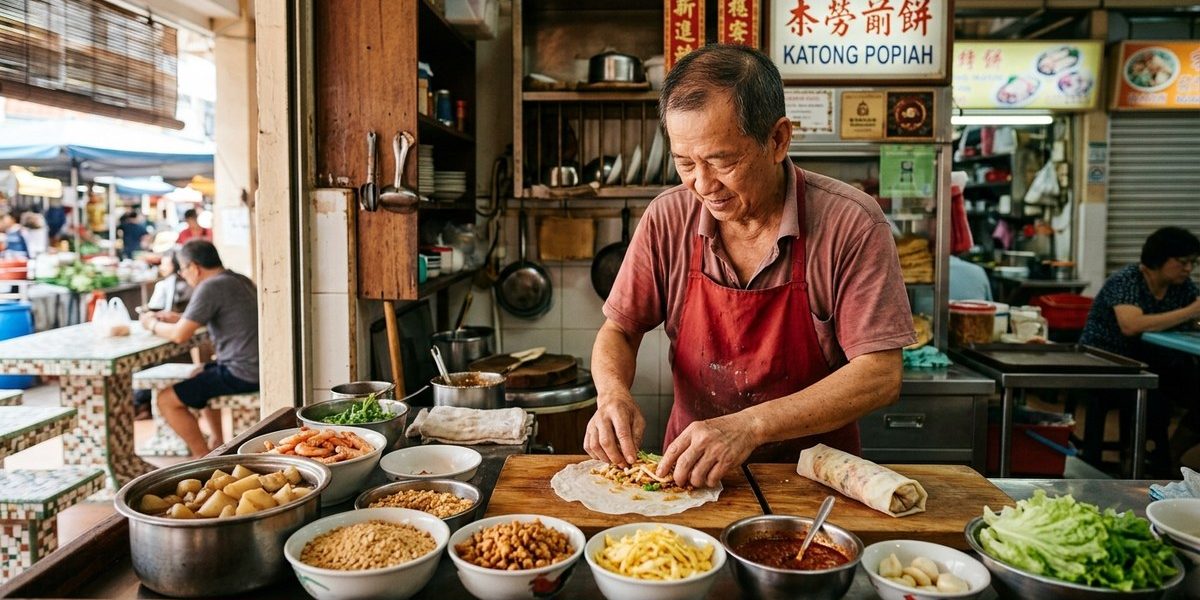
Keen food lovers and local residents cherish the chance to experience authentic Singaporean hawker culture. Among the many iconic dishes, popiah holds a special place in our hearts. Yet, in a city where modern stalls and trendy cafes sprout everywhere, one traditional popiah stall in Katong remains steadfast. It’s the last of its kind, a living testament to Singapore’s rich hawker heritage. This stall is more than just a place to eat; it’s a cultural landmark locals guard jealously.
The last traditional popiah stall in Katong offers a genuine taste of Singapore’s hawker history. Its unique recipe, heritage significance, and loyal customer base make it a must-visit for anyone eager to connect with local food traditions.
Understanding the Significance of the Last Traditional Popiah Stall in Katong
The story of this stall is intertwined with Singapore’s evolution as a food haven. Traditionally, popiah is a rolled vegetable spring roll wrapped in a thin crepe-like skin. Its roots trace back to southern China and Malaysia, but it became a staple in Singapore hawker centres. Over the decades, many stalls modernised or closed down as younger generations moved away from the trade. This particular stall in Katong has stood the test of time, maintaining its original methods and secret recipes.
Locals see it as a custodian of Singapore’s hawker heritage. The stall’s longevity and consistent quality preserve a culinary tradition that might otherwise fade away. It’s a symbol of resilience, representing the generations of hawkers who dedicated their lives to perfecting recipes passed down through families.
What Makes This Popiah Stall Unique?
Traditional Methods and Ingredients
The stall uses age-old techniques. The skin is hand-made daily, with a delicate balance of flour, water, and a dash of secret ingredients. The fillings include fresh vegetables, prawns, and a hint of traditional sauces. The owner insists on using local produce, ensuring each bite bursts with authentic flavours.
Heritage and Community Connection
Located in the heart of Katong, the stall is embedded in the local community. It’s a familiar sight for residents who grew up with the aroma of freshly made popiah wafting through the neighbourhood. Many customers have been visiting for decades, passing the tradition down to children and grandchildren.
Guarded Recipes and Loyal Patrons
The owner is famously protective of the recipe. Only a few staff know the exact proportions and techniques. This secrecy contributes to the stall’s mystique. Regulars swear that nothing beats the taste of the original recipe, making it a treasured culinary secret.
How To Experience the Last Traditional Popiah Stall in Katong
Visiting this stall is simple. Here are practical steps to enjoy this heritage dish:
- Plan Your Visit
- Check the stall’s operating hours online or via local community pages. It often opens in the late morning and closes once the day’s supply runs out.
-
Arrive early to beat the crowd and ensure you get a fresh, hot popiah.
-
Order with Respect
- Be polite and patient. The owner appreciates customers who value tradition.
-
Try to order in person and avoid calling in advance, as the stall prefers to serve walk-in customers.
-
Enjoy and Savor
- Dig in while the popiah is warm.
- Pair it with traditional sides like sugarcane juice or kopi for an authentic experience.
Practical Tips for Visiting
- Bring cash, as many hawker stalls still prefer cash transactions.
- Bring your friends or family for a shared experience.
- Respect the stall’s heritage – do not attempt to replicate or take photos without permission.
Techniques and Mistakes When Making Traditional Popiah
If you are interested in recreating or understanding the craft behind this dish, here’s a quick comparison:
| Technique | Effect | Common Mistake |
|---|---|---|
| Hand-making skin | Ensures thin, pliable wrapper | Using store-bought wrappers |
| Using fresh ingredients | Delivers vibrant flavours | Using preserved or frozen fillings |
| Proper rolling method | Prevents tearing | Overstuffing or rushing the roll |
| Sauce balance | Enhances taste | Over-saturating or under-seasoning |
Expert advice: “The secret to authentic popiah lies in patience and respect for tradition. Each step, from preparing the skin to rolling the fillings, contributes to the final taste.”
Practical Process for Making Popiah
- Mix flour with water and knead into a smooth, thin batter.
- Pour batter onto a hot non-stick pan, swirling to create a thin layer.
- Cook until lightly golden, then peel off carefully.
- Fill with fresh vegetables, prawns, and sauce.
- Roll tightly, sealing the edges.
Common Mistakes to Avoid
- Using thick batter, which results in thick skins.
- Overfilling, making rolling difficult.
- Rushing the cooking process, leading to uneven skins.
- Forgetting to balance the sauce for a perfect taste.
Why Preserving the Heritage Matters
Walking into this stall, you’re not just grabbing a snack. You’re part of a living history. The stall’s survival shows how tradition can endure amid rapid urban change. It reminds us that food is more than sustenance; it’s a cultural expression and a way to connect with our roots.
Supporting such stalls helps keep Singapore’s diverse hawker culture alive. It encourages younger generations to learn the craft and appreciate the stories behind each dish.
Sharing a Slice of Katong’s Food Heritage
This last traditional popiah stall in Katong is a rare gem. Its long history, unwavering dedication to authenticity, and community significance make it a must-visit for anyone wanting to taste genuine Singaporean hawker fare. Remember, each bite carries the legacy of generations who kept the craft alive.
Next time you’re in Katong, make time for this culinary journey. Bring your curiosity and respect for tradition. By doing so, you help to preserve one of Singapore’s most cherished food stories.
Keep the tradition alive with every bite
Sharing food is sharing culture. Whether you are a local or visitor, experiencing this stall is a meaningful way to connect with Singapore’s vibrant hawker scene. Make it a point to visit, learn, and appreciate the artistry behind each popiah. It’s more than a snack — it’s a piece of history waiting to be enjoyed.