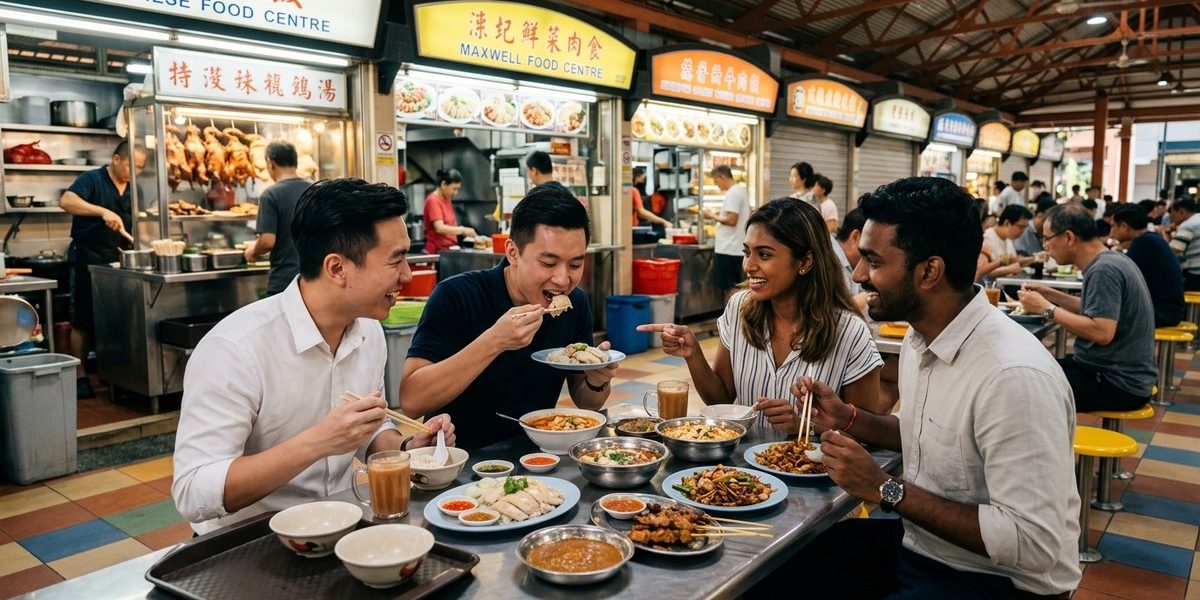
Singapore hawker centres are the heart of local culinary culture. They’re places where history, tradition, and community come together over steaming plates of beloved dishes. For visitors and food lovers alike, these centres offer a taste of Singapore’s authentic street food heritage. From fragrant chicken rice to spicy laksa, each stall weaves stories of generations past. Understanding how to find and appreciate these culinary gems helps you experience Singapore in a truly meaningful way.
The significance of traditional flavours in Singapore’s hawker scene
Singapore’s hawker centres are more than just food courts. They are living museums of cultural diversity. Each dish carries a legacy handed down through families and communities. Traditional flavours like Hainanese chicken rice, Teochew porridge, or Hokkien mee aren’t simply recipes. They are symbols of Singapore’s multicultural identity.
Many of these dishes have origins that stretch back decades. They reflect the influences of Chinese, Malay, Indian, and Peranakan communities. Preserving these flavours is vital to maintaining Singapore’s heritage. For many hawkers, the recipes are a proud part of their family history. They serve not only food but stories of migration, adaptation, and resilience.
How to find hawker centres serving authentic flavours
Enjoying authentic Singaporean street food begins with knowing where to go. Here are practical steps to help you locate hawker centres that serve the traditional dishes you crave:
-
Research and read reviews
Start by exploring trusted food blogs and websites dedicated to Singapore’s hawker scene. Platforms like My Hawkers SG feature detailed guides and stall reviews. They highlight centres known for maintaining traditional recipes. -
Ask locals and food enthusiasts
Locals are often the best resource for discovering hidden gems. Join online forums or social media groups dedicated to Singapore food. Locals love sharing their favourite stalls that still serve authentic flavours. -
Visit well-established hawker centres with heritage
Some hawker centres have earned a reputation for preserving traditional recipes. Tiong Bahru Market, for example, is renowned for its long-standing stalls. These centres often maintain the authenticity of their dishes despite renovations.
Appreciating the art of hawker cooking
Understanding what makes a hawker dish authentic involves more than just ingredients. It’s about technique, tradition, and a dash of passion. Here are some factors to look for:
-
Family recipes passed down through generations
Many stalls have recipes that haven’t changed for decades. These recipes are often kept secret and guarded carefully. -
Cooking techniques unique to the dish
For example, the wok hei in Hokkien mee or the precise timing in preparing Hainanese chicken rice. These skills are honed over years and define the dish’s flavor. -
Use of traditional ingredients
Fresh, local, and authentic ingredients are vital. Some stalls import specific spices or sauces to keep their dishes true to heritage.
“The secret to authentic street food is respecting tradition while adding a personal touch,” shares Chef Lim, a veteran hawker who has been serving classic lor mee for over 50 years.
Practical tips for enjoying hawker centre culinary gems
To make the most of your visit to Singapore’s hawker centres, keep these tips in mind:
- Arrive early or late to avoid peak crowds and ensure the freshest servings.
- Order signature dishes that are known to be traditional and well-loved.
- Observe the stall’s operation — a busy stall with a steady stream of locals is often a good sign of quality.
- Ask questions about the dish’s history or ingredients — most hawkers are proud of their heritage.
Common techniques and pitfalls in hawker cooking
Achieving authentic flavours requires specific techniques. Here’s a quick guide to what sets genuine hawker dishes apart and common mistakes to avoid:
| Technique | Why it matters | Common mistakes |
|---|---|---|
| Wok hei in stir-fried dishes | Adds depth and aroma | Overcrowding the wok, cooking too quickly |
| Proper rice washing and steaming | Ensures fluffy, fragrant rice | Skipping rinsing, undercooking rice |
| Slow simmering for broths | Develops rich, layered flavours | Using shortcuts or high heat, overboiling |
| Correct seasoning and balancing | Preserves the dish’s authentic taste | Over-salting or under-seasoning |
Preserving hawker heritage through documentation
Documenting and sharing stories of hawker stalls helps keep this cultural treasure alive. Many stalls are family-run and face challenges from modernisation. By visiting, photographing, and writing about these places, you support their legacy.
You might find that some of the best traditional flavours are at lesser-known stalls. For instance, a small family stall in a neighbourhood hawker centre may serve a recipe that’s unchanged for generations. These culinary stories are worth capturing and sharing.
Supporting local hawkers and their craft
Every dish at a hawker stall is a labor of love. Supporting these vendors ensures that traditional recipes continue to thrive. Here are ways to show appreciation:
- Visit frequently and try different dishes from the same stall.
- Engage with hawkers about their recipes and techniques.
- Share your experience on social media to help attract more customers.
How tourism and community efforts help sustain hawker culture
Tourism plays a vital role in keeping hawker heritage vibrant. Many centres now promote their traditional stalls to visitors seeking authentic experiences. Collaborations between government agencies and community groups aim to preserve and upgrade hawker centres while maintaining their cultural integrity.
For example, initiatives like the Hawker Masterclass programme invite people to learn from veteran hawkers. These efforts foster appreciation and ensure that future generations understand the importance of traditional flavours.
Discovering hidden hawker gems
Beyond the popular centres, there are neighbourhood stalls that serve up forgotten recipes. These are often tucked away in lesser-known hawker centres or even in heartland estates. Visiting these spots offers a more genuine taste of Singapore’s street food heritage.
A good way to find these hidden gems is by asking locals or consulting guides that focus on off-the-beaten-path hawker centres. For instance, some elderly hawkers in Ang Mo Kio or Bedok still serve recipes that have been kept alive quietly for decades.
Embracing the culinary heritage of Singapore
The joy of experiencing authentic Singapore hawker flavours lies in the stories behind each dish. These recipes reflect the city-state’s multicultural roots and resilience. As you travel through different centres or try home-style stalls, you become part of this ongoing cultural narrative.
Remember, every plate of food is a chapter in Singapore’s history. Supporting hawker stalls helps ensure that these stories continue to be told for generations to come.
Sharing the tradition for future generations
Savouring Singapore’s traditional flavours is about more than just taste. It’s about connecting with a community and its history. When you seek out these culinary treasures, you help preserve a vital part of Singapore’s identity.
Next time you visit a hawker centre, take a moment to chat with the hawkers and learn about their recipes. Appreciate the effort behind each dish. Your support keeps the heritage alive and enriches your understanding of Singapore’s vibrant culture.