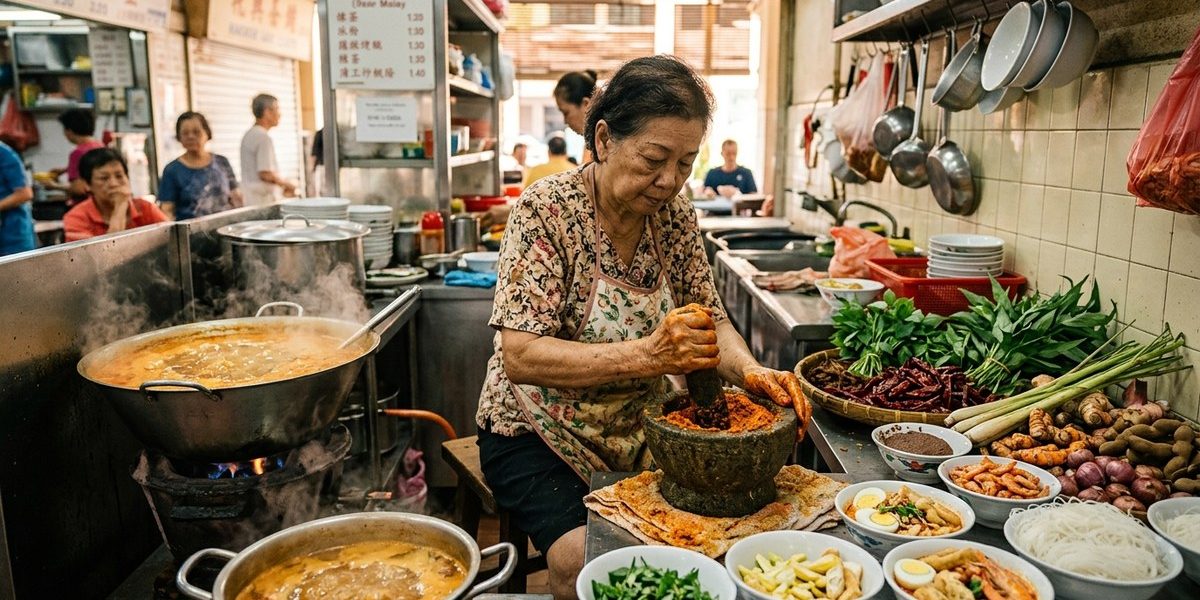
Savoring a bowl of Singapore laksa is like tasting a piece of the nation’s vibrant hawker heritage. Its fragrant, spicy coconut broth, loaded with seafood and noodles, has captured the hearts of locals and visitors alike for generations. Whether you are planning to replicate this iconic dish at home or just want to understand what makes it so special, this guide will walk you through the history, ingredients, and steps to craft your own authentic Singapore laksa recipe in 2026.
Singapore laksa is a rich, spicy noodle soup with a fragrant coconut base, seafood, and herbs. Making it at home involves preparing a flavorful broth, cooking the noodles and toppings, and balancing spices for a truly authentic taste.
The roots of Singapore laksa in hawker history
Laksa is more than just a noodle dish; it is a symbol of Singapore’s multicultural culinary scene. Its origins trace back to Peranakan communities, blending Chinese, Malay, and Indonesian influences. The dish has evolved through decades of hawker innovation, with each stall adding its own twist. Today, Singapore laksa is regarded as a national favourite, served in hawker centres across the island. Understanding its roots helps appreciate the care and tradition passed down through generations of hawkers who have perfected this recipe.
Key ingredients that define Singapore laksa
The essence of a great Singapore laksa lies in its ingredients. Each component plays a role in creating its signature aroma and taste. Here’s what you need:
- Broth base: Coconut milk combined with seafood stock, infused with rempah (spice paste)
- Rempah: A fragrant spice blend typically made from dried shrimps, lemongrass, galangal, turmeric, and turmeric
- Noodles: Thick rice vermicelli (bee hoon) or laksa noodles
- Toppings: Prawns, fish cake slices, cockles, tofu puffs, and hard-boiled eggs
- Herbs: Vietnamese coriander, daun kesum, and lime leaves
- Additional ingredients: Fish sauce, sambal chili, and lime for seasoning
Making your own rempah from scratch
Creating the spice paste is crucial for authentic flavour. Fresh ingredients and a good mortar and pestle or blender make all the difference. Toast dried shrimps and spices before blending to release their aroma.
Step-by-step guide to preparing Singapore laksa
Follow these steps to craft your own bowl of hawker-style laksa:
- Prepare the rempah: Blend toasted dried shrimps, lemongrass, galangal, turmeric, garlic, shallots, and a pinch of salt until smooth.
- Cook the broth: Sauté the rempah in oil until fragrant. Add seafood stock and coconut milk. Bring to a gentle simmer.
- Season the broth: Stir in fish sauce, sugar, and sambal chili to taste. Adjust spice levels according to preference.
- Cook the noodles: Boil rice vermicelli until just tender. Drain and set aside.
- Prepare toppings: Boil prawns, slice fish cake, and prepare other toppings.
- Assemble the bowl: Place noodles in a bowl, pour hot broth over, and arrange toppings neatly.
- Garnish and serve: Add herbs, a squeeze of lime, and extra sambal if desired.
Practical tips for a perfect bowl
- Use fresh seafood stock if possible for richer flavour.
- Balance spice and sweetness carefully to match traditional profiles.
- Serve immediately for the best texture and aroma.
Common pitfalls and how to avoid them
| Technique or Mistake | Solution |
|---|---|
| Overcooking noodles | Cook just until tender, then drain immediately to prevent sogginess. |
| Using pre-made spice pastes | Make rempah from scratch for authentic taste. |
| Neglecting seafood stock | Always try to incorporate seafood for depth. |
| Adding too much chili | Adjust chili according to spice tolerance to avoid overpowering the broth. |
“The secret to a good laksa is in the broth. It should be rich, fragrant, and well-balanced with spice and coconut milk. Take your time to simmer and taste as you go.” — Chef Lim, local hawker veteran.
Variations and regional twists
While the classic Singapore laksa is beloved, there are regional variations worth trying:
- Katong laksa: Known for its thick, gravy-like broth served with rice noodles laid over the bowl.
- Laksa lemak: A richer, creamier version with extra coconut milk.
- Vegan laksa: Substitute seafood with mushrooms and vegetable stock for a plant-based twist.
- Spicy laksa: Increase chili and spices for those who love a fiery kick.
Preserving hawker culture through homemade recipes
Recreating Singapore laksa at home helps keep hawker traditions alive. It allows you to understand the effort and skill behind each bowl. Sharing your homemade laksa can also inspire others to appreciate the heritage of our hawker stalls. Supporting local hawker stalls by visiting and trying their signature laksa ensures the legacy continues for future generations in 2026 and beyond.
Visiting the best hawker stalls for authentic laksa
If you want to taste the real deal, visiting renowned stalls like those in Katong, Geylang, or Marine Parade is a must. Each has its own story and special recipe handed down through decades. Many hawkers are happy to share secret tips once you build a rapport.
A final note on celebrating Singapore’s laksa
Making Singapore laksa at home is a rewarding experience that connects you to a rich cultural tapestry. Use fresh ingredients, enjoy the process, and adjust the spices to your liking. Remember, the joy of hawker food lies in its community roots and the stories behind each stall. With patience and passion, you can bring a piece of Singapore’s vibrant hawker scene into your kitchen in 2026.
Keep the hawker spirit alive with your own laksa journey
The beauty of Singapore laksa lies in its ability to bring people together—whether at a bustling hawker centre or around your dining table. Embrace the challenge of perfecting this recipe, and share your creation with friends and family. Every bowl you serve helps preserve a cherished part of Singapore’s culinary heritage.