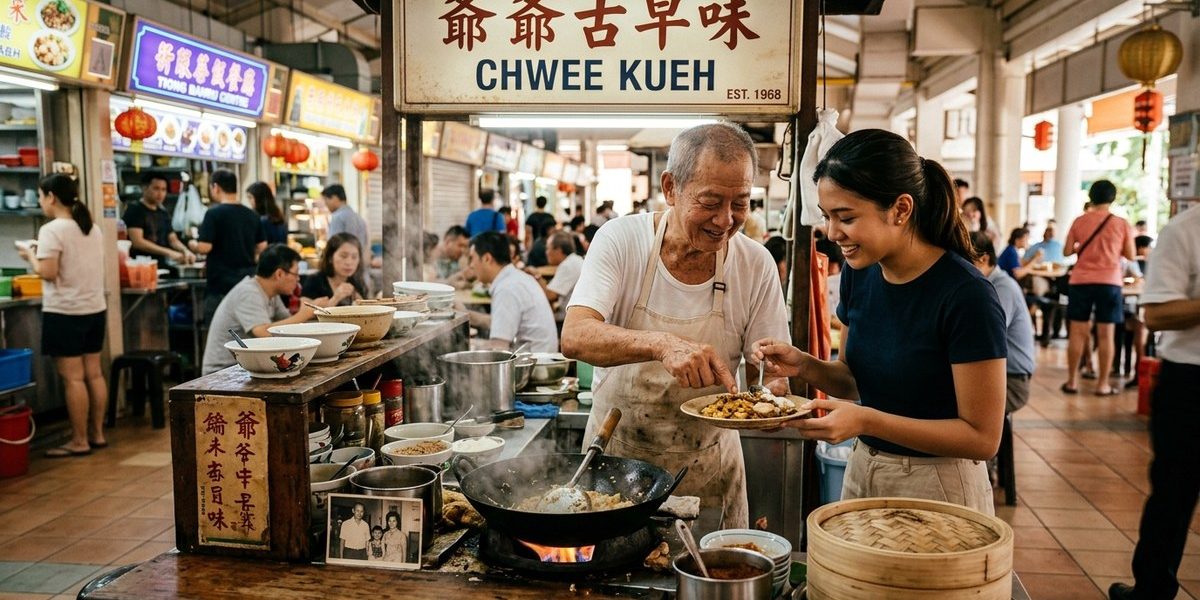
Singapore’s hawker centres are more than just places to grab a bite. They are living stories of Singapore’s multicultural past, resilience, and community spirit. Each stall holds generations of history, cherished recipes, and local traditions that have been passed down through decades. As the city continues to modernise, preserving these heritage stories becomes vital to keeping Singapore’s unique culinary identity alive for future generations.
Singapore’s hawker heritage stories reveal the rich tapestry of cultural influences and resilience behind our beloved dishes. Each stall’s history adds depth to our national identity, making it essential to document and cherish these stories as part of Singapore’s living heritage in 2026.
The Roots of Singapore’s Hawker Heritage
Singapore’s hawker tradition started in the 19th century when immigrants from China, Malaysia, India, and Peranakan communities set up roadside stalls. These humble beginnings transformed into bustling street markets and eventually the iconic hawker centres we see today.
Many of these stalls have survived multiple generations, each carrying stories of perseverance and adaptation. For example, the famous Tian Tian Hainanese Chicken Rice, which has served hungry patrons for over 30 years, still uses recipes handed down from early Hainanese cooks who arrived amidst Singapore’s colonial era.
The story of how these stalls came together reflects Singapore’s multicultural fabric. They are a testament to the resilience of local families and their commitment to sharing their culinary heritage through generations.
Iconic Hawker Heritage Stories in 2026
How Traditional Recipes Became National Icons
Many of Singapore’s most loved dishes are rooted in stories of migration and adaptation. Take laksa, for example. Its evolution in Singapore involves a blend of Chinese, Malay, and Peranakan influences, creating a signature dish that locals now cherish. These recipes often originate from humble street stalls, gradually gaining recognition as authentic symbols of national identity.
The Journey of Hawker Families
Behind every stall is a family’s story. Meet the 78-year-old uncle behind Chinatown’s best Char Kway Teow, who has been flipping noodles for over five decades. His story highlights how hawker families often pass recipes and skills through generations, maintaining the authenticity and tradition.
Many of these families have faced challenges such as rising costs, land reforms, and modern competition. Yet they adapt by renovating stalls or embracing digital platforms to reach new customers. These stories showcase resilience and the importance of heritage preservation.
Relocation and Preservation Efforts
The relocation of street vendors into dedicated hawker centres in the 1960s and 70s helped preserve many recipes while providing better hygiene and safety standards. Today, such centres serve as cultural hubs where stories of the past are kept alive.
For instance, the last traditional Popiah stall in Katong is guarded jealously by locals who cherish its heritage. This stall’s story reflects a community’s effort to safeguard its culinary roots amidst urban development.
Techniques and Traditions That Define Our Heritage
Maintaining hawker heritage involves both tradition and innovation. Here are some key techniques that have been passed down:
| Technique | Mistake to Avoid |
|---|---|
| Using fresh ingredients | Relying on frozen or preserved items |
| Cooking with charcoal or traditional stoves | Using modern electric appliances exclusively |
| Maintaining authentic recipes | Altering recipes to cater to modern tastes |
| Upholding hygiene standards | Neglecting cleanliness in the pursuit of tradition |
Preserving the Art of Flipping and Stir-frying
The skill of stir-frying at high heat is a hallmark of many hawker dishes. It requires years of experience. As one veteran chef advises, “The key is to keep the wok hot and toss quickly.”
Expert tip: Always use fresh ingredients and avoid shortcuts that compromise taste or authenticity.
Mistakes to Watch Out For
Many new hawkers or casual cooks make the mistake of rushing the cooking process or replacing traditional ingredients. This can diminish the dish’s heritage value. To truly honour our hawker stories, focus on preserving original techniques and recipes.
How to Engage with Singapore’s Hawker Heritage
If you wish to experience these stories firsthand, consider these practical steps:
- Visit heritage-rich hawker centres such as Maxwell Food Centre, Chinatown Complex, or Tiong Bahru Market.
- Talk to hawker stall owners about their history and recipes. Many love sharing their family stories.
- Attend food heritage tours that focus on the stories behind popular dishes and stalls.
- Support heritage stalls that have been around for decades; they are living museums of Singapore’s culinary history.
- Document your favourite stalls through photos or social media to help raise awareness.
Practical Process for Appreciating Heritage Hawker Stories
- Step 1: Research the history of your preferred stall.
- Step 2: Chat with the hawker about their recipes and background.
- Step 3: Share their story online to help preserve the narrative.
- Step 4: Visit regularly to see how they adapt without losing their roots.
Common Techniques and Pitfalls in Heritage Food Preparation
| Technique | Mistake to Avoid |
|---|---|
| Using traditional spices | Over-spicing or under-spicing to suit modern tastes |
| Maintaining cooking speed | Overcooking or undercooking dishes due to haste |
| Preserving recipe authenticity | Adding modern ingredients that alter flavour profiles |
The art of hawker cooking is as much about technique as it is about respect for tradition. Whether it’s the delicate balance of seasoning or the precise timing of stir-frying, these are skills honed over decades.
The Role of Community and Youth in Heritage Preservation
In recent years, a new generation of hawkers has emerged, blending tradition with innovation. Young chefs are reimagining classic dishes with local twists or healthier ingredients, ensuring the heritage survives in a changing landscape.
For instance, some young hawkers have introduced halal options, broadening the reach of traditional recipes. Others use social media to share stories and attract younger audiences.
Advice from a veteran hawker: “The future of our heritage lies in the hands of those who love our food and respect its roots.”
Supporting and Sustaining Our Hawker Heritage
Preserving hawker stories requires community effort and government support. Initiatives such as the Hawker Heritage Centre and heritage awards help recognise and promote these culinary treasures.
You can contribute by patronising heritage stalls, sharing their stories, or encouraging friends to do the same. Each small act adds to a collective effort to keep our culinary history alive.
Why Celebrating Our Hawker Heritage Matters in 2026
Understanding the stories behind our hawker dishes deepens our appreciation for Singapore’s multicultural identity. These stories remind us that food is more than sustenance; it is a reflection of history, community, and resilience.
As Singapore continues to modernise, safeguarding these stories becomes essential. They are part of our national fabric, woven through generations of families and communities.
Keep the Tradition Alive
As you wander through hawker centres, take a moment to listen to the stories of the stall owners. Support those who have kept recipes alive through decades. Share their stories with friends and family.
Your interest helps ensure that the heritage of Singapore’s hawker culture remains vibrant and meaningful. Let these stories inspire you to appreciate and preserve our culinary legacy for years to come.